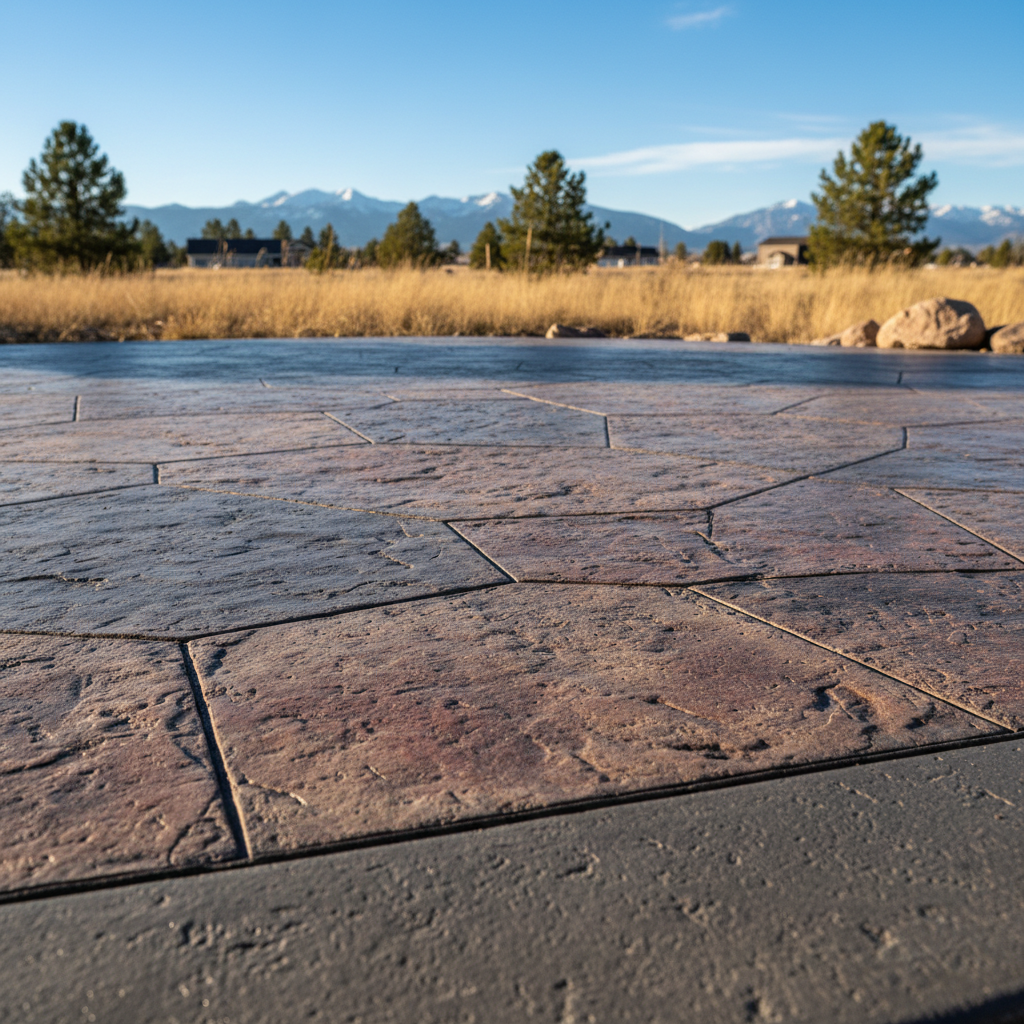
Homeowners around Billings, MT often look at a plain gray slab in the backyard and wish it looked like flagstone or slate. More homeowners around Billings, MT are turning to Decorative Concrete to upgrade patios, pool decks, and entryways without paying natural stone prices. Before you rent a pressure washer and buy a cart full of acid stain from the hardware store, you need a realistic plan. Top Line Concrete wants to walk through what actually goes into a Decorative Concrete project around here.
Before the Pour: Planning and Prep
You cannot just put color on any old piece of concrete and expect it to look like a magazine cover. Billings clay soils love to shift and heave through those brutal winter freeze-thaw cycles. If your base is not prepped right, your fancy new Stamped Concrete patio will crack before you even use it.
Here is what you need to check off your list beforehand:
- Inspect the existing slab for structural cracks or sinking areas.
- Figure out your drainage so water does not pool near your foundation.
- Pick your pattern and colors carefully, keeping your home exterior in mind.
- Decide honestly if you are tackling this yourself or bringing in backup.
If you are pouring a brand new Decorative Concrete pad, excavation and sub-base compaction have to be exact. Skimping here is the main reason DIY jobs fail.
During the Project: Execution
Timing is everything with concrete. When we are stamping or texturing a slab in the middle of a hot, dry Billings summer wind, that cream on top sets up very fast. You do not have time to hesitate, scratch your head, or run back to the truck for a forgotten tool.
Small projects like acid-staining an existing, cured patio or applying a Decorative Concrete acrylic overlay are manageable over a long weekend if you follow instructions to the letter and take your prep work seriously. You will clean the surface, mask off your walls, apply the product evenly, and seal it up.
On the other side, stamping fresh concrete is a multi-person job. If you are pouring a whole driveway or a large patio, Top Line Concrete or another reputable local crew can help. Top Line Concrete has the stamp mats, the roller tampers, and the experience to get the texture right before the mud hardens.
After the Project: Curing and Maintenance
The project is finished, but maintenance is ongoing. Decorative Concrete lives or dies by its sealer. Around the Heights or out on the West End, sun exposure and road salts take a toll. You need to reapply a quality breathable sealer every couple of years to keep moisture out and prevent the color from fading.
Keep heavy snow shovels with sharp metal edges off your Decorative Concrete surfaces in January. Use a plastic shovel or a leaf blower for light snow when you can. Wash off dirt and debris regularly so grit does not grind down the finish. Treat your new surface right, and it will look great for 15 to 20 years or more.